
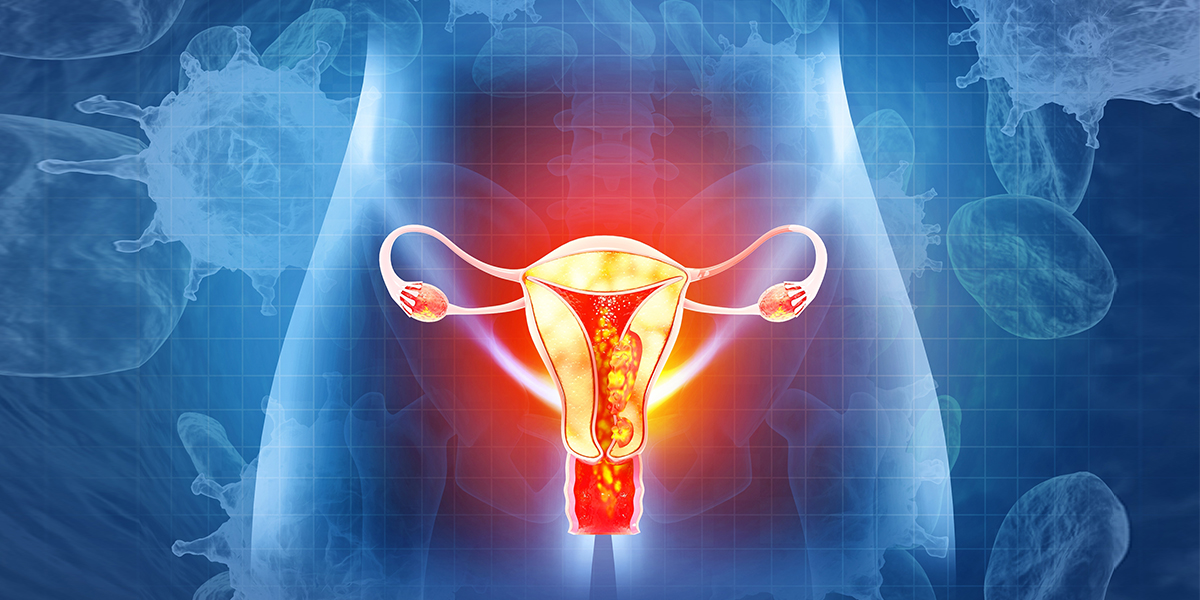
Globally, many women develop uterine cancer. It is a type of cancer that grows in the cells of the uterus, also known as the womb. The unchecked cell growth most often occurs in women who have gone past menopause. It is also divided further into 2 general groups: uterine sarcoma, a very rarely found cancer that arises in the muscular and supportive structures of the uterus, and endometrial cancer, which arises in the lining of the uterus. Endometrial cancer is the most prevalent kind that is found in most women worldwide. Uterine cancer can be effectively treated by a gynecologic oncologist if detected early. In this blog, we will take a look at some of the most important signs of uterine cancer that you should not ignore.
What Causes Uterine Cancer?
Uterine cancer is caused by a few different reasons. They are as follows:
- Genetic causes: Genetic causes are the central cause of uterine cancer. If your relative is affected with uterine cancer or another form of cancer, then there is a high chance.
- Hormonal imbalance: Aside from genetics, the primary cause of uterine cancer formation is an imbalance of estrogen and progesterone hormones. Cancer formation results from the interaction of the hormone receptors with a stimulation of endometrial development.
- Inflammation: Inflammation causes uterine cancer due to the acceleration of cell division, enhanced opportunities for error replication, and leading to mutations.
Important Signs of Uterine Cancer
You should never ignore these early signs and indications of uterine cancer. Let’s take you through some of the early indicators and risk factors that serve as a warning for uterine cancer that women of all ages should be extremely aware of.
- Vaginal Discharge
Watery, pink, or foul-smelling discharge without infection may indicate the growth of cancer in the uterus.
- Painful Intercourse
Pain or discomfort during sexual intercourse may be a sign of changes in the uterine lining caused by cancer.
- Family History
Genetic reasons raise the risk of uterine cancer, so you are more likely to get it if you have a family history of the disease or any other type of cancer.
- Unusual Bleeding in the Vagina
The biggest sign of uterine cancer in both postmenopausal and premenopausal women is vaginal bleeding or spotting that is abnormal.
- Being Overweight
Uterine cancer is more likely to strike women who are obese or who have trouble controlling their weight.
- Pelvic Mass
A developing tumor may be indicated by a visible bump or ongoing pelvic pain.
- Urinary Difficulties
If you notice any pain, swelling, or burning when you urinate, visit a gynecologic oncologist.
Diagnosis of Uterine Cancer
To stop uterine cancer from growing any further and spreading to other body parts, early detection and quick treatment are very important for recovery. A clear diagnosis is made by gynecologic oncologists. Some of the procedures used to identify uterine cancer are listed below:
First Inspection
- Examining medical history
- Physical inspection
Diagnostic tests
Laboratory Examination
- Genomic testing
- Blood tests
Imaging Studies
- Transvaginal ultrasound
- Pelvic ultrasound
- Abdominal ultrasound
Biopsy Techniques
- Hysteroscopy and biopsy
- Endometrial biopsy
Treatment For Uterine Cancer
If your uterine cancer is detected early, it is usually curable; the course of therapy is calculated on the size of the cancer, the area it has spread to, the extent of metastasis, and the patient’s overall health.
The following are part of the treatment for uterine cancer:
- Surgery (hysterectomy and bilateral salpingo-oophorectomy)
- Radiation therapy
- Chemotherapy
- Targeted therapy
- Hormone therapy
- Immunotherapy
FAQ
1. Can uterine cancer happen even if I don’t have any risk factors?
Yes. Most cases are linked to a specific risk, yet it may also develop without them. Knowledge and regular screenings allow one to identify cancer in its early stages.
2. Do I need to be cautious if I have had an early first period and a late menopause?
It might. That additional contact with higher estrogen levels can raise your risk slightly. It’s nothing to be concerned about, simply something to pay attention to.
3. I have got PCOS and trouble conceiving; does that increase my risk?
PCOS and infertility typically refer to hormone imbalance that may impact your uterus in the long run. Having your physician in the picture keeps things under control.