- srikantabhinov@gmail.com
- +91 9958783620
Head and Neck Cancer
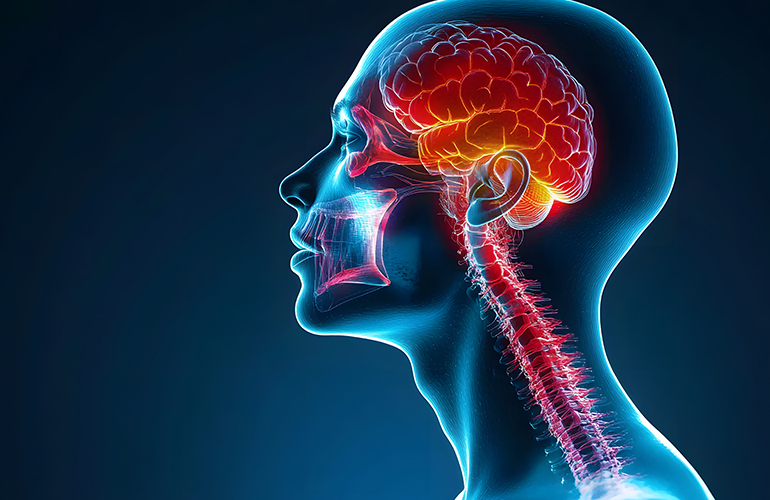
Head and Neck Cancer
Head and neck cancers are a group of cancers that develop in different parts of the head and throat, excluding the brain and eyes. These cancers can arise in the sinuses (air-filled spaces around the nose), inside or behind the nose, or in areas of the mouth such as the tongue, gums, and roof of the mouth. They may also begin in the throat (pharynx), which is divided into three regions: the nasopharynx (upper part), oropharynx (middle part), and hypopharynx (lower part), as well as in the larynx (voice box).

Sign and Symptoms
Common signs include a lump in the neck, persistent sore throat, difficulty swallowing, hoarseness, and mouth sores that do not heal. Specific symptoms vary by location: oral cancers may show red or white patches, jaw swelling, or mouth pain; throat cancers can cause ear pain and trouble swallowing; voice box cancers may affect breathing or speech; sinus and nasal cancers can lead to nasal blockages, headaches, and facial pain; and salivary gland cancers may result in swelling, facial numbness, or pain. Early medical or dental assessment is essential for these symptoms.
Causes of Head and Neck Cancers
Head and neck cancers are mainly associated with tobacco and alcohol use, both of which significantly raise the risk of cancers in the mouth, throat, and voice box. Human papillomavirus infection accounts for approximately 70% of oropharyngeal cancers. Additional risk factors include prolonged ultraviolet exposure, occupational exposure to substances such as asbestos and formaldehyde, Epstein-Barr virus infection, and prior radiation therapy to the head or neck region. The likelihood of developing these cancers is notably higher in men over the age of 50.
Rehabilitation and Support for Head and Neck Cancer Patients
Treatment for head and neck cancers focuses on controlling the disease while maintaining the function of affected areas and enabling a return to normal activities. Rehabilitation is essential and may include physical therapy, dietary counseling, speech therapy, and stoma care education following laryngectomy. Depending on the cancer's location and treatment, some individuals may require reconstructive surgery or prosthetic devices to restore swallowing, speech, and appearance. Speech therapy is often necessary for patients with speaking difficulties, and nutritional support, such as feeding tubes or intravenous nutrition, may be required. Healthcare professionals, including nurses and speech-language pathologists, play a key role in helping patients regain their ability to eat and speak.