- srikantabhinov@gmail.com
- +91 9958783620
Breast Cancer
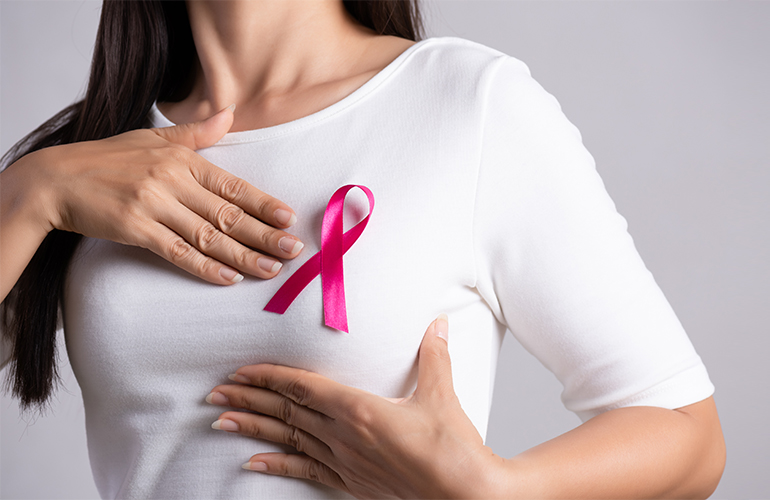
Breast Cancer
Breast cancer begins when certain cells in the breast change (mutate) and start growing uncontrollably. These abnormal cells can form a lump or mass called a tumor. In most cases, about 80% of the cancer is invasive, meaning it can spread beyond the breast to other parts of the body.
It is the most common cancer diagnosed in women, making up more than 10% of all new cancer cases each year. It is also the second leading cause of cancer-related deaths in women worldwide. In many cases, breast cancer grows without causing symptoms in the early stages.
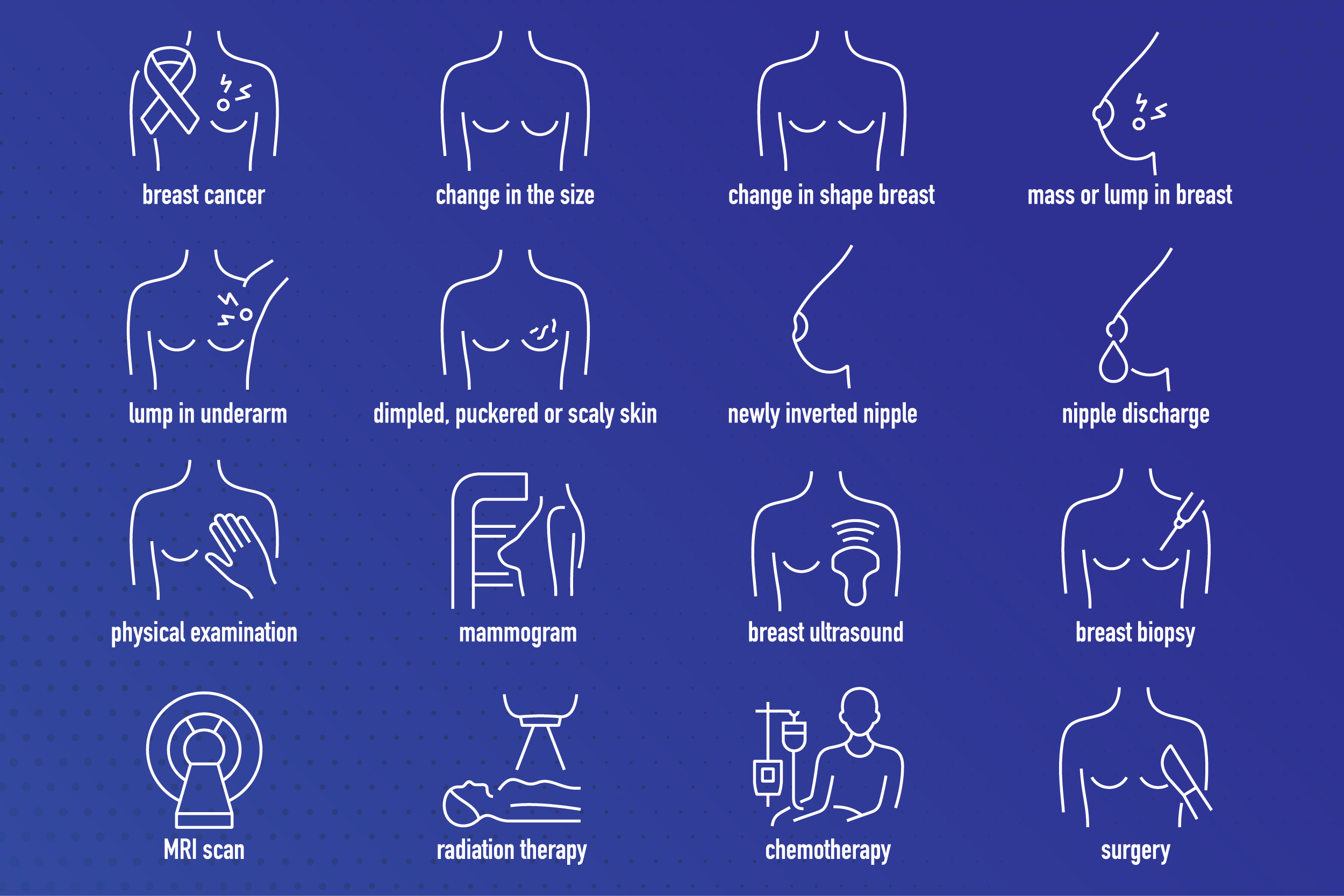
Signs and symptoms of breast cancer:
Breast cancer can cause different types of changes in the breast. Some signs are easy to notice, while others may be more subtle. In certain cases, there may be no symptoms at all in the early stages. When symptoms are present, they may include:
- A change in the size, shape, or outline of the breast.
- A lump or thickened area in the breast or underarm that does not go away, especially after the menstrual cycle.
- Changes in the skin of the breast or nipple, such as dimpling, puckering, redness, scaliness, or swelling.
Lifestyle Factors and Breast Cancer Risk
Certain lifestyle habits can affect the risk of developing breast cancer. For example, obesity is linked to a higher chance of breast cancer. Maintaining a healthy weight through a balanced diet and regular physical activity may help reduce this risk.
Alcohol consumption is another important factor. Drinking alcohol, especially in amounts above moderate levels, has been associated with an increased risk of breast cancer. As defined by the American Association for Cancer Research, moderate alcohol intake for women means no more than one drink per day. Adopting healthy lifestyle practices may play a significant role in lowering the risk of breast cancer.
Management and Treatment of Breast Cancer
Breast cancer is mainly treated with surgery, which may include mastectomy, lumpectomy, and breast reconstruction. Depending on the type and stage of the cancer, additional treatments such as chemotherapy, radiation therapy (including intraoperative radiation therapy), immunotherapy, hormone therapy (such as selective estrogen receptor modulator therapy), and targeted therapy may also be used.