- srikantabhinov@gmail.com
- +91 9958783620
Services

Chemotherapy
Chemotherapy is a type of treatment that uses drugs to destroy cells that grow quickly, such as cancer cells. The decision to use chemotherapy depends on several factors, including the type and stage of cancer, overall health, previous treatments, the location of the cancer, and individual treatment goals. Chemotherapy can be administered as oral, intravenous injection, infusion, or topical cream depending on the type and location of the cancer. When combined with other treatments, chemotherapy can be used to shrink tumors before surgery or radiation, destroy any remaining cancer cells after surgery or radiation, improve the effectiveness of other treatments, or treat cancer that has returned or spread to other parts of the body. Each treatment plan is carefully tailored to match the individual’s specific medical needs and overall health condition.

Immunotherapy
Immunotherapy is a type of cancer treatment that helps immune system to recognize and fight cancer more effectively. Immunotherapy is also a form of biological therapy, which means it treats cancer by boosting or restoring the body's natural defenses. Normally, immune system can detect and eliminate abnormal cells, helping to prevent or slow the growth of many cancers. Immunotherapy works by helping the immune system respond more effectively to cancer. Immunotherapy can be administered in different ways depending on the type and location of the cancer. Immunotherapy is proving to be a highly effective treatment for cancer and has helped some patients live longer. Ongoing research is focused on developing new immunotherapy drugs to treat a wider range of cancer types and improve patient outcomes.

Palliative Care
Palliative care, also known as supportive care, focuses on improving the quality of life for individuals living with serious or life-altering illnesses. It aims to support overall well-being by addressing physical symptoms, as well as emotional, psychological, spiritual, and social needs. This type of care is personalized for each individual and may include pain management, emotional support, patient education, and assistance for caregivers or loved ones. Palliative care helps reduce the discomfort and stress that can come with chronic or serious conditions, supporting both patients and their families throughout the course of the illness. Palliative care is delivered by a specialized team of healthcare professionals, including doctors, nurses, social workers, chaplains, and other trained experts.
Hematology Treatments
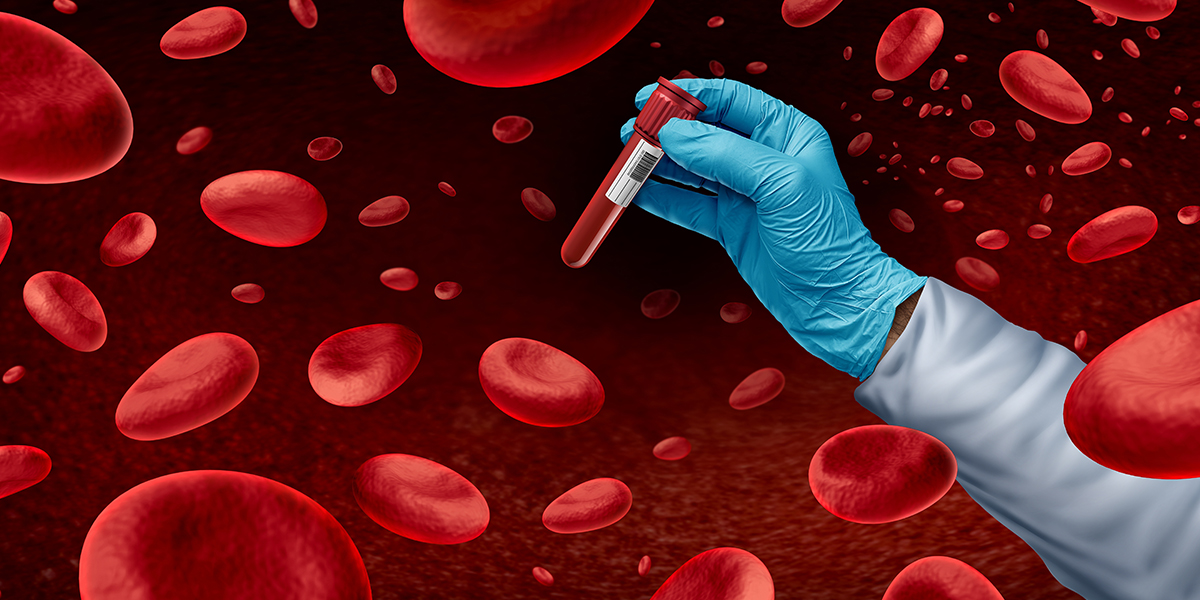
Hematologists are specialists trained to diagnose, treat, and manage conditions that affect the blood, bone marrow, and lymphatic system. These conditions can range from benign (non-cancerous) disorders to malignant (cancerous) diseases such as blood cancers. Some of the most common include anemia, hemophilia, leukemia, sickle cell anemia, and lymphoma. Hematologists perform various procedures, including ablation therapy (used to destroy abnormal tissue using heat, cold, lasers, or chemicals), blood transfusions, bone marrow and stem cell transplants, and cancer treatments such as chemotherapy, immunotherapy, and biological therapies. Because blood disorders can affect many organs and systems, hematologists often collaborate with other specialists such as pathologists, radiologists, and oncologists to provide comprehensive, multidisciplinary care.

Targeted Therapy
Targeted therapy is a form of precision or personalized medicine that treats cancer by focusing on specific features, genetic changes, mutations, or substances found in or on cancer cells. There are various types of targeted therapies, each designed to block the growth and spread of cancer while minimizing harm to healthy cells. These therapies work in different ways, such as targeting specific biomarkers (genes or proteins that support cancer cell survival), altering the environment where cancer cells grow, or attacking other cells that support tumor growth. Targeted therapy is frequently used by oncologists to treat cancers like breast cancer, lung cancer, blood cancers, colorectal cancer and prostate cancer. This approach offers a more personalized treatment by focusing on the specific genetic changes that drive each type of cancer.
CAR-T Therapy
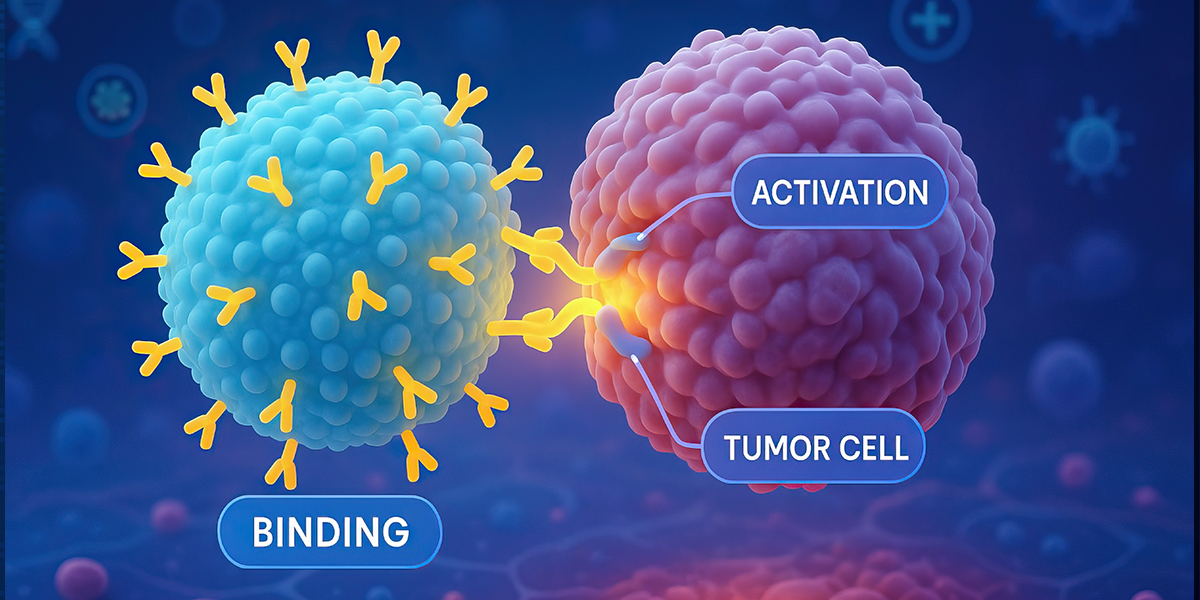
Chimeric antigen receptor (CAR) T-cell therapy is an advanced form of cancer treatment that uses a patient’s own immune cells, specifically T cells (a type of white blood cell), to fight cancer. CAR T-cell therapy works by enhancing the natural cancer-fighting ability of the body’s immune system. In CAR T-cell therapy, a patient’s own T cells are collected and genetically modified in the lab to include a special receptor called a chimeric antigen receptor (CAR) that can identify a specific marker on cancer cells. These modified cells are then multiplied and infused back into the patient’s bloodstream, where they seek out and destroy cancer cells. Because they continue to multiply in the body, CAR T cells are often referred to as a “living drug” offering long-term immune support against cancer.