- srikantabhinov@gmail.com
- +91 9958783620
Lung Cancer
Lung Cancer
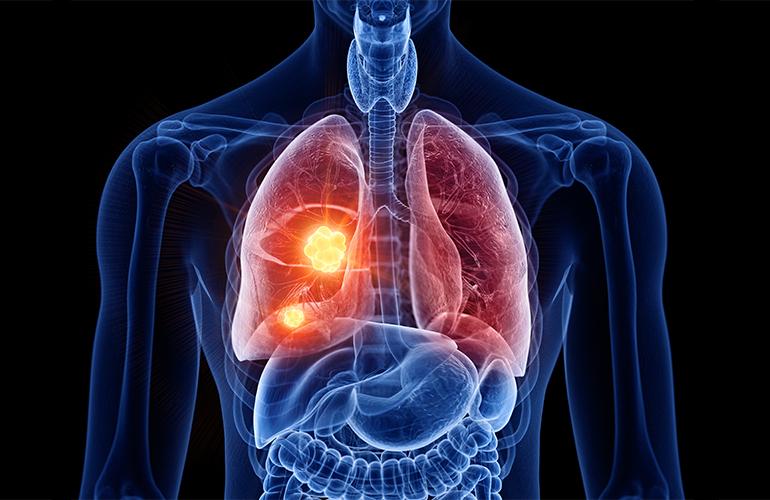
Lung cancer is a condition in which cells in the lungs begin to grow and divide uncontrollably due to genetic mutations. Normally, cells divide to replace old or damaged ones, but mutations can cause them to continue dividing without control, forming masses known as tumors. These tumors can interfere with the normal functioning of lung tissue and other organs. Lung cancer specifically refers to cancers that originate in the lungs, most commonly in the airways (bronchi or bronchioles) or the tiny air sacs (alveoli).
Sign and Symptoms
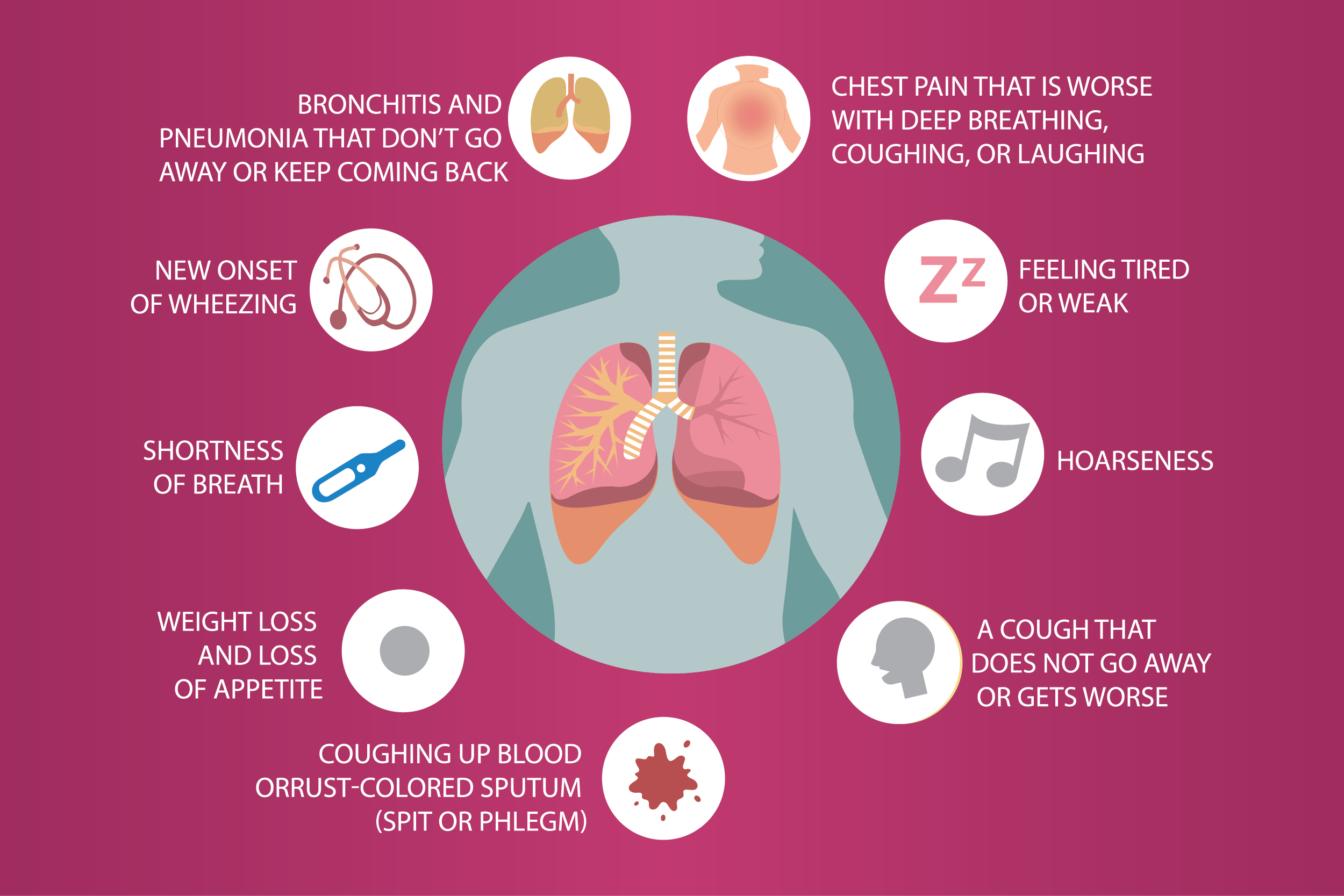
Symptoms of lung cancer often mimic those of less serious illnesses, and many individuals may not exhibit noticeable signs until the disease has advanced. However, some people may experience early symptoms, which can include a persistent or worsening cough, shortness of breath, chest pain or discomfort, wheezing, and coughing up blood. Other symptoms may involve hoarseness, loss of appetite, unexplained weight loss, fatigue, and shoulder pain. In more advanced cases, individuals might develop swelling in the face, neck, arms, or upper chest a condition known as superior vena cava syndrome or signs of Horner’s syndrome, which include a drooping eyelid, a small pupil, and reduced sweating on one side of the face.
Risk factors for lung cancer
While multiple factors can increase the risk of lung cancer, smoking tobacco products—such as cigarettes, cigars, or pipes—remains the leading cause, accounting for an estimated 80% of lung cancer-related deaths. Additional risk factors include exposure to secondhand smoke and harmful substances like air pollution, radon, asbestos, uranium, diesel exhaust, silica, and coal products. A history of radiation therapy to the chest, such as treatment for breast cancer or lymphoma, can also raise the risk, as can having a family history of lung cancer.
Prevention
While there’s no sure way to prevent lung cancer, you can significantly lower your risk by making certain lifestyle changes. The most important step is to quit smoking, as it is the leading risk factor for lung cancer. Avoiding exposure to radon—by testing your home and taking necessary precautions—can also help reduce your risk. Limiting contact with other cancer-causing substances, such as asbestos or diesel exhaust, is another key preventive measure. Additionally, maintaining a healthy diet rich in fruits and vegetables may offer some protective benefits against lung cancer.