- srikantabhinov@gmail.com
- +91 9958783620
Ovarian and Uterine Cancer
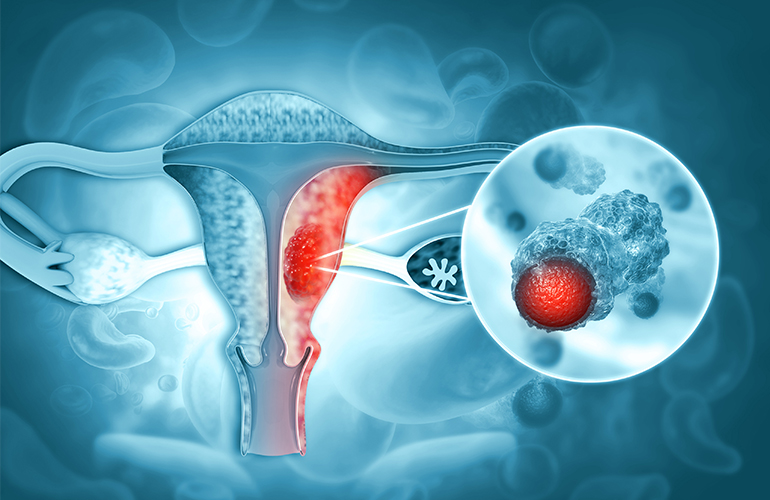
Ovarian and Uterine Cancer
Ovarian cancer occurs when abnormal cells in the ovaries begin to grow and multiply uncontrollably. These cells can spread and damage nearby healthy tissues. The ovaries are part of the female reproductive system and are located on each side of the uterus. Each ovary is about the size of an almond and is responsible for producing eggs (ova) as well as the hormones estrogen and progesterone.
In the early stages, ovarian cancer may not cause any noticeable symptoms, which makes it difficult to detect. When symptoms do appear, they are often vague and can be mistaken for other common conditions. Some of the more common signs include abdominal bloating or swelling, feeling full quickly while eating, unexplained weight loss, pelvic discomfort, fatigue, back pain, constipation, and frequent urination. These symptoms can be caused by many different health issues, but if they are persistent or unusual, it’s important to speak with a doctor. Early diagnosis can significantly improve treatment outcomes. Treatment for ovarian cancer usually involves a combination of surgery to remove the cancer and chemotherapy to destroy any remaining cancer cells.
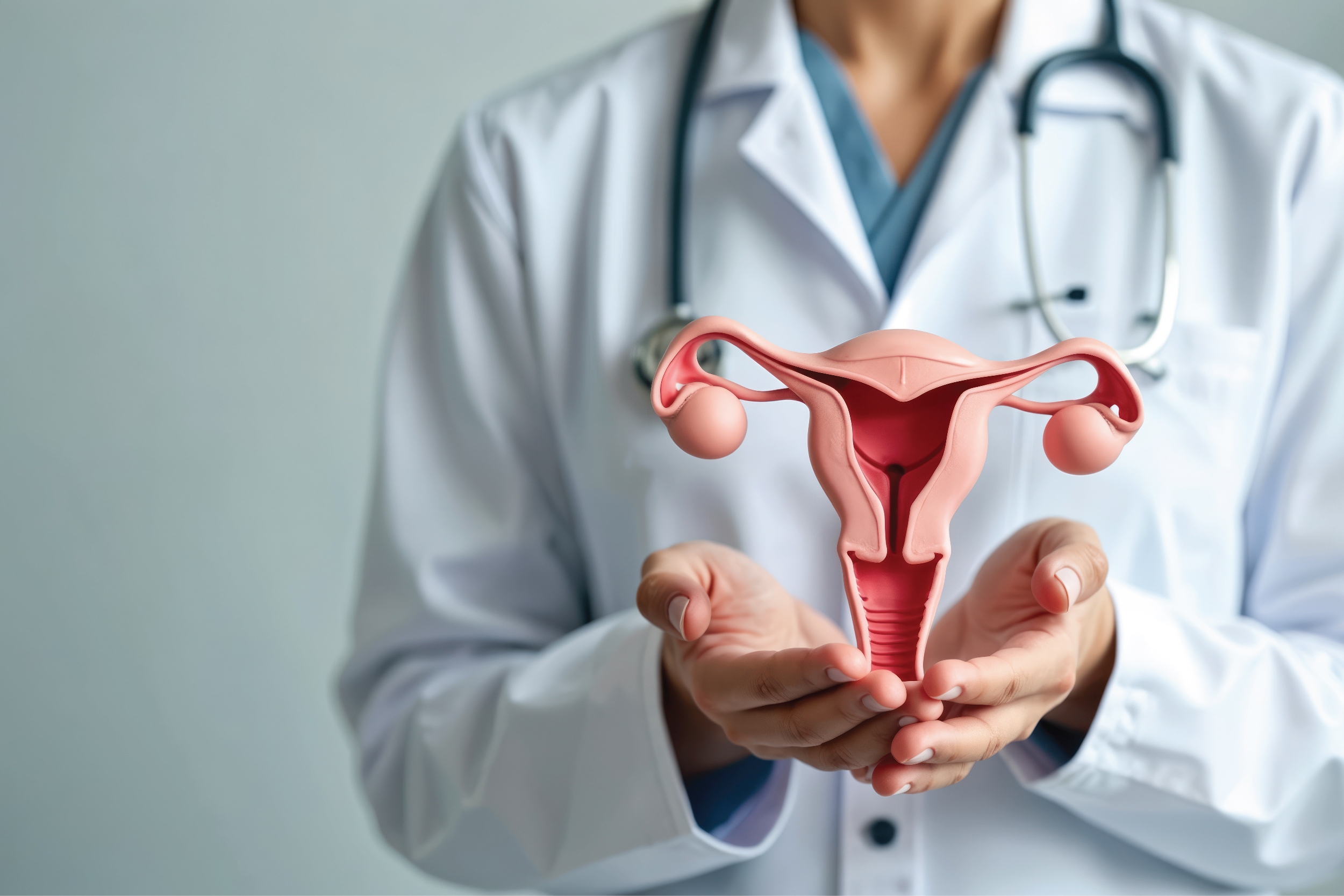
Uterine Cancer
Uterine cancer is a broad term that refers to any cancer that begins in the uterus. There are two main types
- Endometrial cancer starts in the endometrium, the inner lining of the uterus. It is the most common type of uterine cancer and one of the most frequently diagnosed gynecologic cancers.
- Uterine sarcoma begins in the myometrium, the muscular wall of the uterus. This type is very rare.
Although "uterine cancer" can refer to both endometrial cancer and uterine sarcoma, the term is often used interchangeably with "endometrial cancer" because endometrial cancer accounts for about 95% of all uterine cancer cases. A diagnosis of uterine sarcoma is much less common.
Endometrial cancer is often detected early because it usually causes noticeable symptoms. The most common early sign is abnormal vaginal bleeding, especially after menopause or between periods. When diagnosed early, the condition can often be successfully treated by surgically removing the uterus. Other symptoms may include pelvic pain or discomfort. It is important to consult a healthcare professional if you experience any unusual symptoms or changes in menstrual cycle. Early detection plays a key role in effective treatment.