- srikantabhinov@gmail.com
- +91 9958783620
Colorectal Cancer
Colorectal Cancer
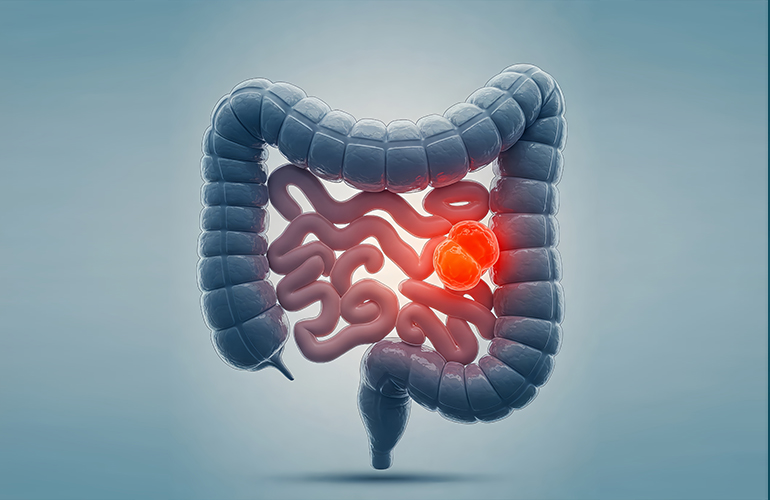
Colon cancer is a type of cancer that starts in the colon, the first and longest part of the large intestine, which is the final section of the digestive system responsible for processing food. It most often affects older adults, though it can develop at any age. Colon cancer usually begins as small, noncancerous growths called polyps on the inner lining of the colon. While most polyps are harmless, some can gradually turn into cancer over time. When cancer develops in either the colon or the rectum the section that follows the colon, it is sometimes referred to as colorectal cancer.
Sign and Symptoms
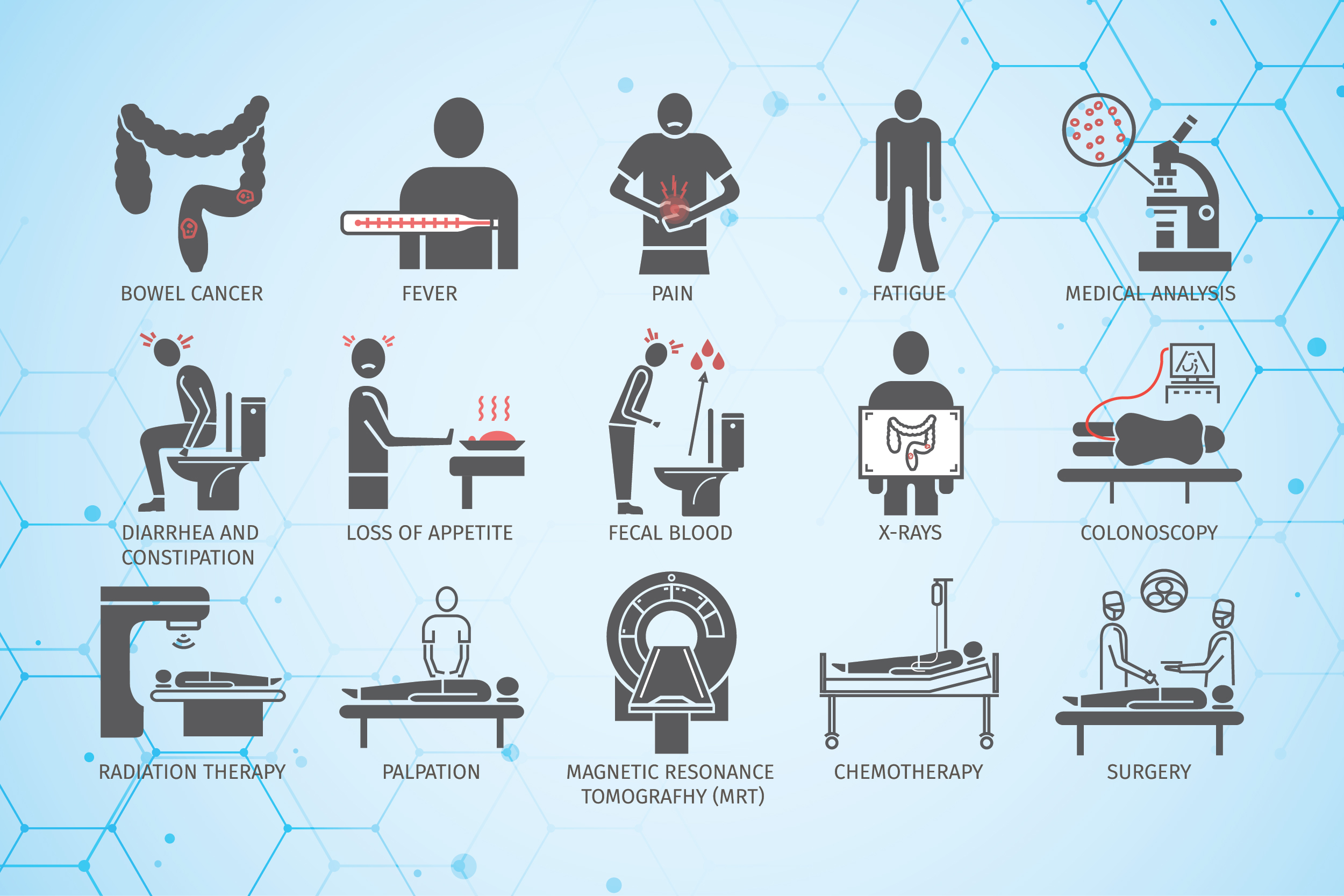
Colon cancer often develops silently, without noticeable symptoms in its early stages. As the disease progresses, individuals may begin to experience various signs such as changes in bowel habits, including constipation or diarrhea, and noticeable alterations in stool color or shape, such as narrow stools. Blood in the stool or rectal bleeding can also occur. Other common symptoms include unexplained weight loss, persistent abdominal pain or discomfort, ongoing fatigue, and a constant feeling that the bowel doesn’t completely empty, known as tenesmus.
Stages of colon cancer
- Stage 0 (Carcinoma in situ): Abnormal cells are found only in the innermost lining of the colon.
- Stage 1: Cancer has grown into the colon’s inner layers but hasn't reached the lymph nodes or distant sites.
- Stage 2: Cancer has spread through the wall of the colon or to nearby tissues but still hasn’t reached the lymph nodes.
- Stage 3: The cancer has reached nearby lymph nodes but hasn’t spread to other organs.
- Stage 4: The most advanced stage, where cancer has spread to distant organs such as the liver or lungs.
Treatment options
Treatment for colon cancer depends on various factors, including the cancer’s stage, type, and whether it has spread to other areas of the body. In the early stages (0, 1, and 2), surgical removal of cancerous polyps is often effective, especially when the polyps are small and localized. However, if the cancer has metastasized to other parts of the body, additional treatments may be necessary. These can include a colostomy, chemotherapy, ablation therapy, targeted therapy, or immunotherapy, depending on the patient’s condition and the extent of disease progression.